Asset recovery

Trailer Repossession in Cleveland and Northeast Ohio

Trailer assignments require the right VIN, hitch, axle, brake, load, and access information before the unit can be matched to a movement plan.

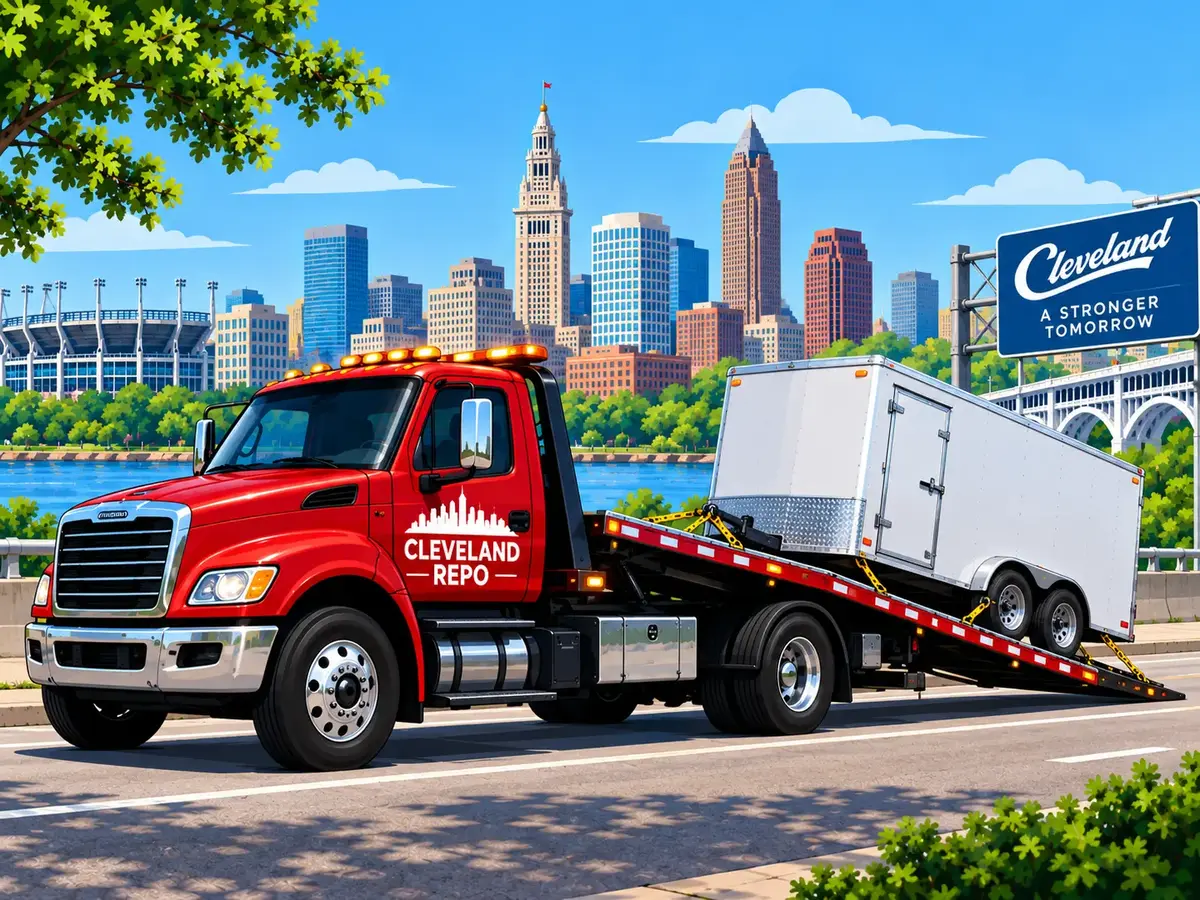
Rollback tow truck recovering a cargo trailer in Cleveland

Assignment planning

The trailer type determines what comes next

Cargo trailers, utility trailers, vehicle haulers, equipment trailers, dump trailers, and commercial semi-trailers vary widely in size and configuration. A photo or generic description is not enough when hitch type, axle count, deck design, brakes, landing gear, or overall condition may affect movement.

The file should also state whether the trailer is empty, loaded, attached to another vehicle, blocked in place, or holding property that is not part of the collateral. Those details help separate the lender's asset from cargo or equipment belonging to someone else.
Assignment questions

What lenders often need to clarify

What if the trailer is loaded?

Describe the load, who owns it, and whether it is included in the lender's collateral. Photos, bills of lading, equipment lists, or other records may help distinguish the trailer from property being carried on or inside it.

Why does the hitch type matter?

Trailers may use ball couplers, pintle hitches, goosenecks, fifth wheels, or specialized connections. Hitch size and type, brake setup, landing gear, and overall dimensions help determine compatible movement requirements.

Asset-specific factors

What affects the recovery plan

Connection type

Ball couplers, pintle hitches, goosenecks, fifth wheels, and specialized connections require different information.

Load status

Cargo, vehicles, equipment, waste, or materials on the trailer should be identified before the unit is moved.

Road-ready condition

Tires, wheels, brakes, lights, landing gear, frame condition, and registration status may affect transport.

Process

How the assignment moves forward

Identify the trailer

Confirm the VIN, trailer style, dimensions, axles, connection type, and lender instructions.

Clarify what is on or in it

Determine whether cargo, equipment, vehicles, or personal property are present and whether they are part of the assignment.

Review access and condition

Evaluate the parking position, connection point, tires, brakes, lights, clearance, and available movement space.

Report the outcome

Organize available photos, condition notes, load information, identifiers, and transport status.