Asset recovery

Truck Repossession in Cleveland and Northeast Ohio

Pickup trucks, work trucks, and commercial vans require a recovery plan that accounts for vehicle size, configuration, access, and attached equipment.

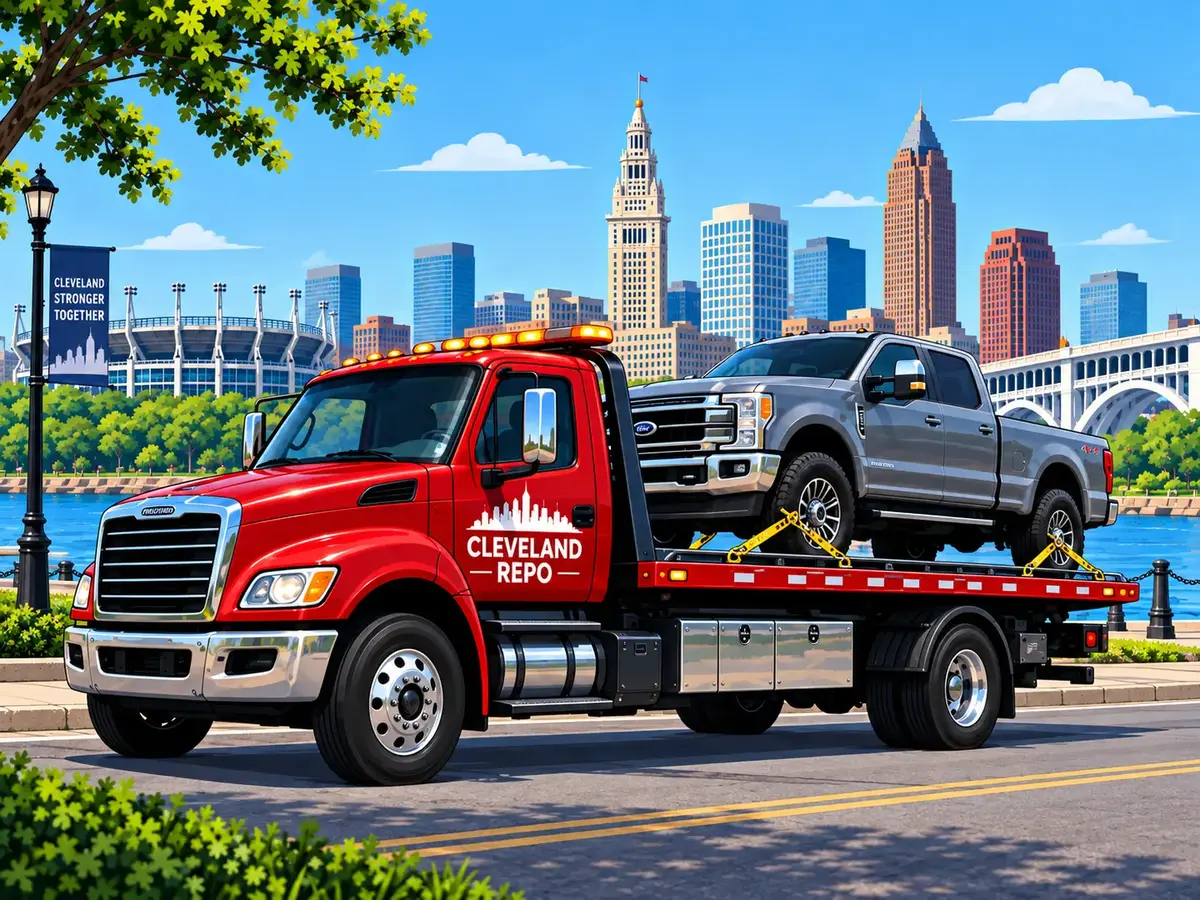
Rollback tow truck transporting a recovered pickup truck in Cleveland

Assignment planning

Truck configuration affects the assignment

A standard pickup, a cargo van, and a service-body work truck may share a lender category, but they do not create the same recovery or transport questions. Bed length, dual rear wheels, ladder racks, tool bodies, plows, hitches, and other upfits can change the space and equipment needed.

Commercial trucks may also be kept at business yards, job sites, employee homes, repair facilities, or fleet parking areas. Clear information about the truck and the property helps separate the collateral from tools, cargo, or other items that may not be part of the account.
Assignment questions

What lenders often need to clarify

Does a work body or truck upfit change the assignment?

It can. Service bodies, ladder racks, plows, liftgates, toolboxes, dual rear wheels, and other modifications may affect dimensions, weight, access, or movement requirements. List known upfits when submitting the truck.

What happens when tools or cargo are in the truck?

Tell us what is known about tools, inventory, cargo, or removable business equipment. The account should clearly distinguish the financed truck from property that may belong to the borrower, an employer, a customer, or another party.

Asset-specific factors

What affects the recovery plan

Vehicle configuration

The recovery plan should reflect the truck's wheelbase, body style, driveability, and any equipment attached to it.

Commercial locations

Fleet yards, secured lots, loading areas, and job sites may have operating hours or access conditions that affect the assignment.

Collateral boundaries

Tools, cargo, removable equipment, and personal property should be identified separately from the truck whenever possible.

Process

How the assignment moves forward

Identify the exact truck

Confirm the VIN, configuration, dimensions, and any visible upfits or attachments tied to the unit.

Review likely locations

Organize the business, jobsite, residential, and repair-location leads connected to the truck.

Match access and transport needs

Use the location and vehicle details to evaluate clearance, equipment, and movement requirements.

Report the truck's status

Provide available condition notes, photos, recovery information, and transport status to the lender.